
Laura Squiers, LPC
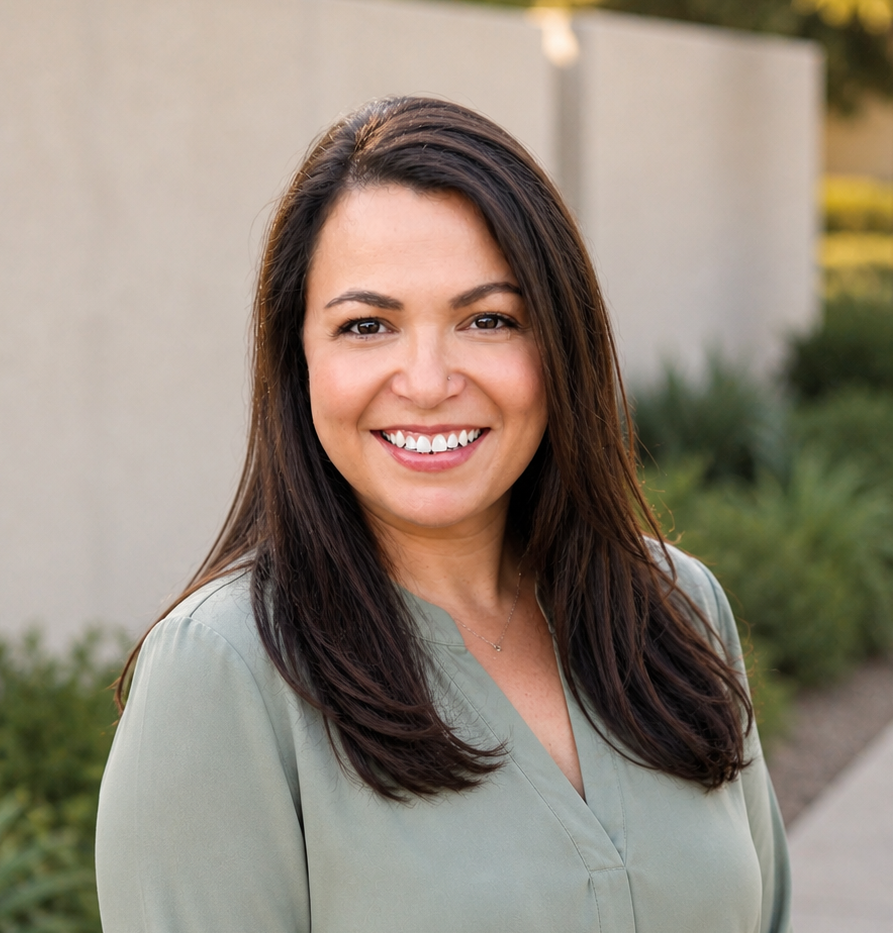
I've always been interested in what shapes the way we experience ourselves, other people, and the world around us. That curiosity is a big part of what drew me to therapy and continues to shape the kind of therapist I am today.
I value a space where you can be honest, curious, uncertain, emotional, or still figuring things out. You can bring what feels important to you, and we can make sense of it together without therapy becoming another place where you feel pressure to get things right.
Beyond Therapy
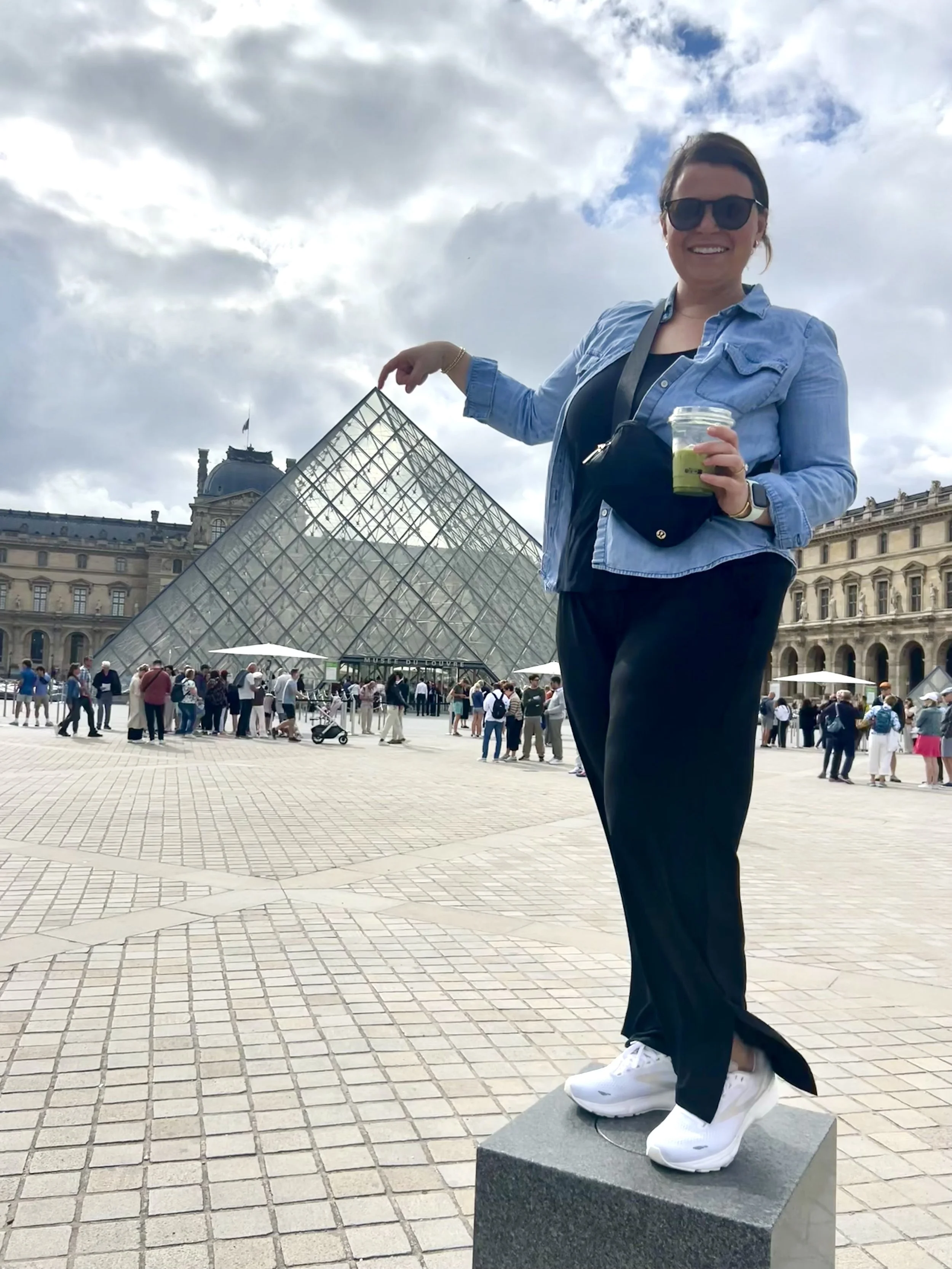
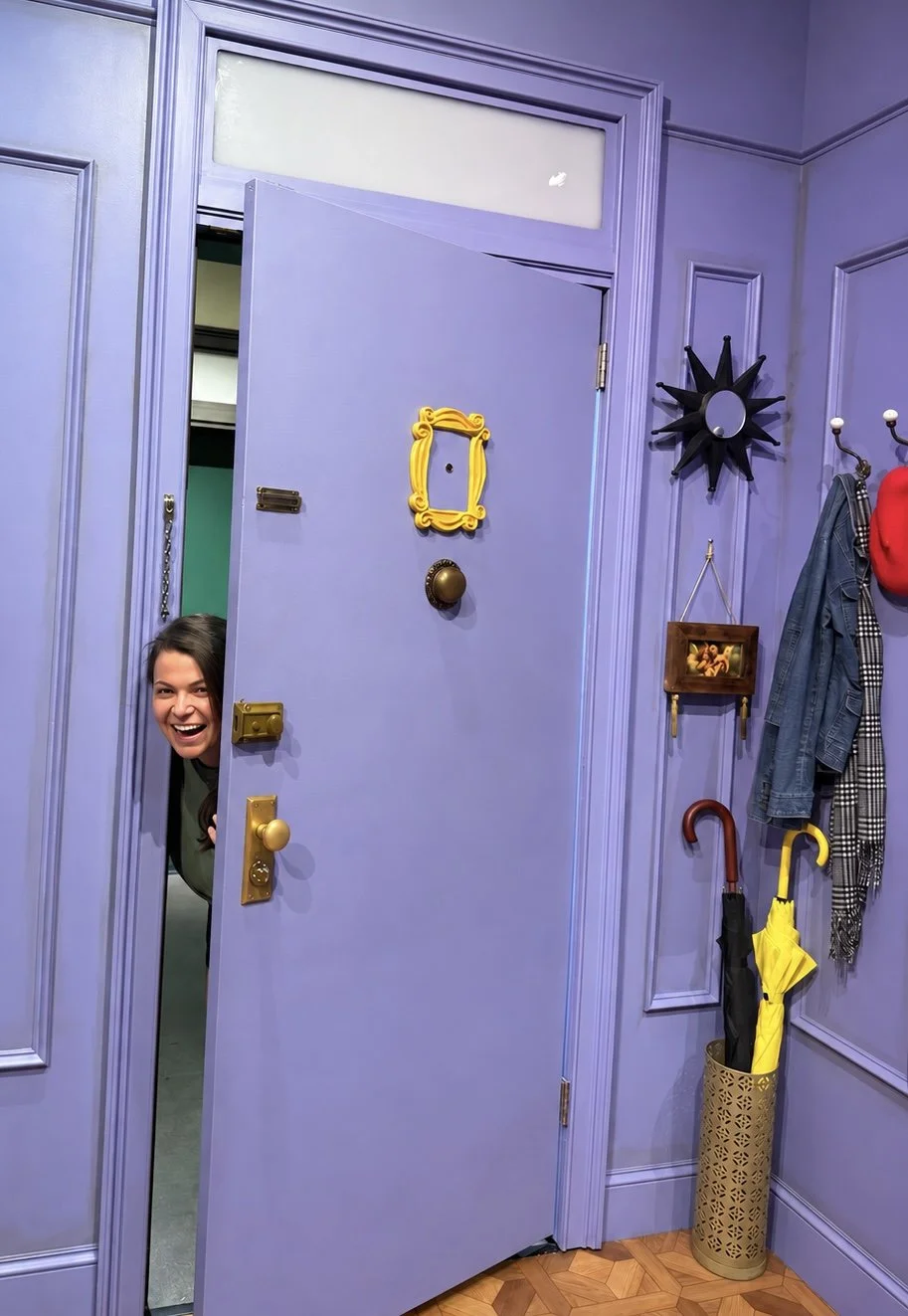
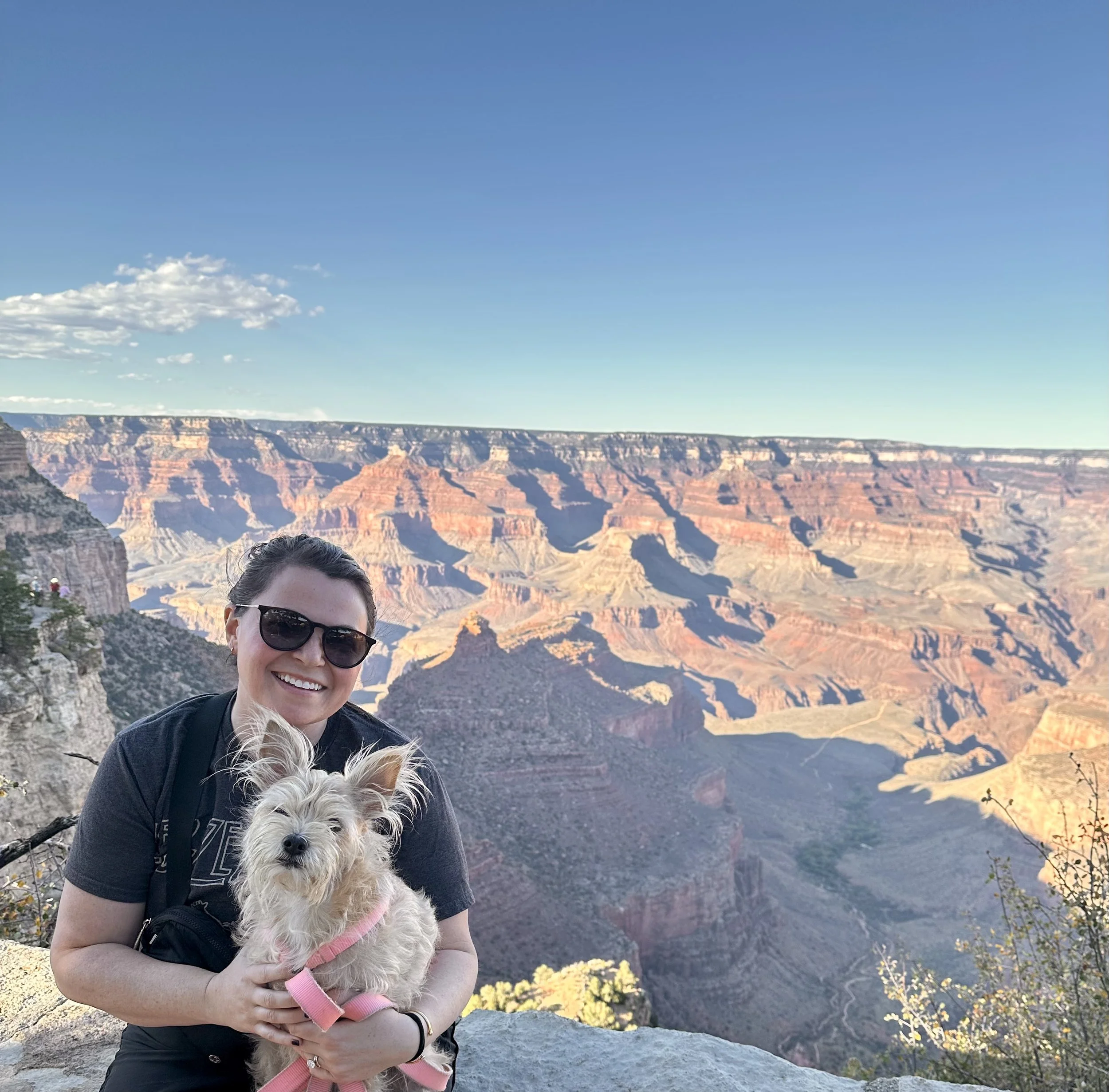
I love traveling and exploring new places with my wife, whether we're taking the RV somewhere new or hopping on a plane. I'm always up for trying a new matcha spot, learning something new (especially anything related to history), or getting absorbed in a good fiction book. I'm also very much a dog person and, despite living in Texas, would happily do without most of the heat.
I'm a sensitive and neurodivergent person myself, which has shaped the way I see people and some of what I value as a therapist. I have a lot of appreciation for the depth and complexity that can come with experiencing the world a little differently.
My Approach
I believe therapy can help us understand ourselves more deeply while also changing the way we relate to what we're experiencing.
Sometimes that means noticing patterns across thoughts, emotions, relationships, and the body. It might involve exploring where something came from or getting curious about different parts of yourself. Other times, it may be more helpful to make room for an emotion or experience instead of immediately trying to analyze it or make it go away.
For me, insight is only one part of therapy. I'm also interested in helping you develop more trust in yourself, respond to your experiences with greater compassion, and feel more able to move through difficult or uncertain moments.
There is still room for meaningful change. It just doesn't always have to come from trying harder.
Training & Background
My training includes nervous system-informed and somatic approaches, parts work, self-compassion, trauma-informed care, attachment theory, and relationship-focused therapy.
I draw from these perspectives flexibly, depending on what feels most relevant and helpful for each person, rather than following one specific model or process.
-
• Polyvagal-Informed Holistic Mental Health Specialist Certification
• Somatic Healing Certification
• Internal Family Systems (IFS)–Informed Parts Work & Trauma-Informed Therapy Training
• Mindful Self-Compassion Training
• Highly Sensitive Person (HSP) Knowledgeable Professional
• Strong Heart Relationship Training